🔥Introduction
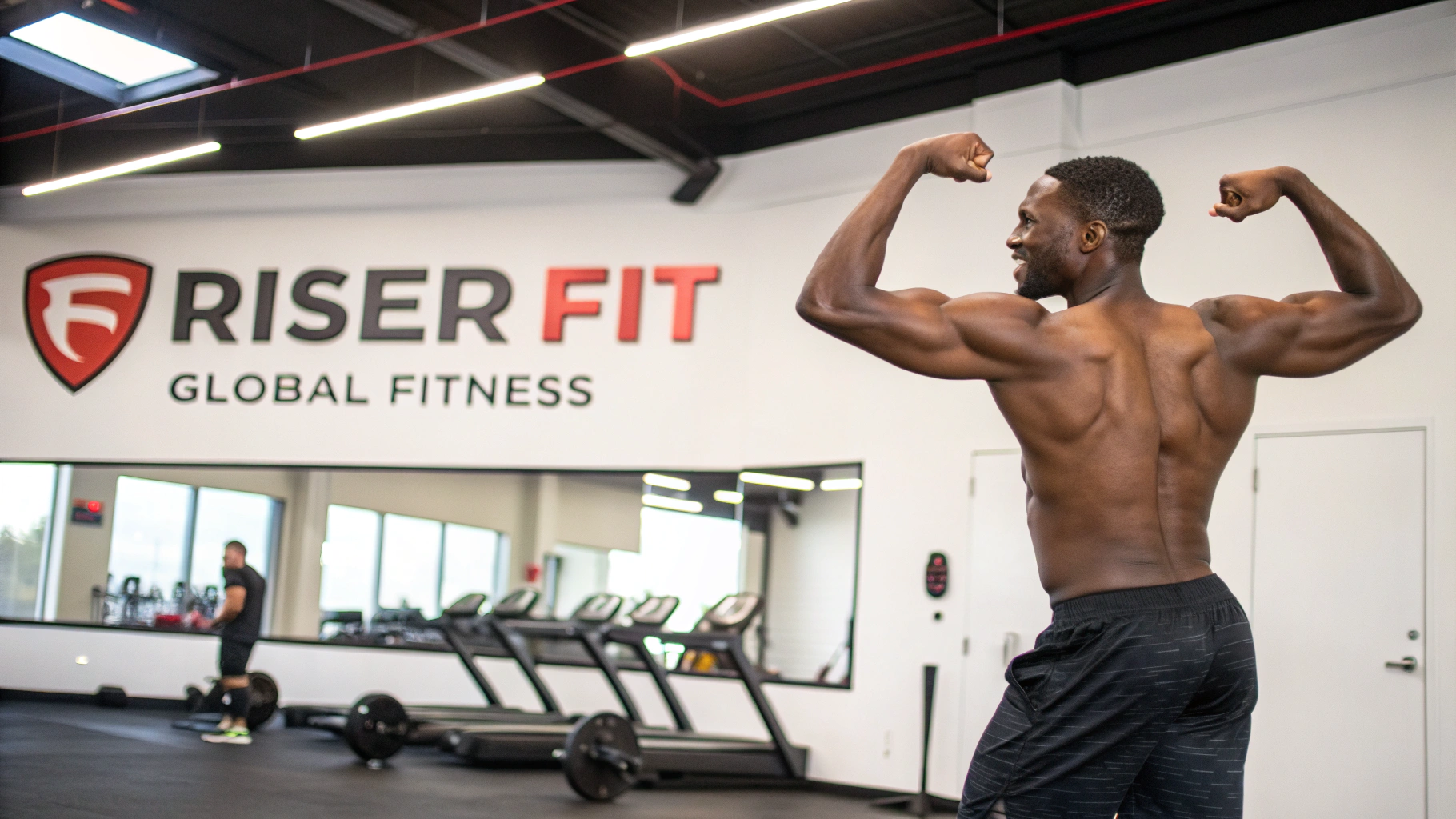
A strong, wide, and muscular back not only improves your physique but also enhances posture, power, and overall athletic performance. The back is one of the largest and most complex muscle groups in your body — including the lats (latissimus dorsi), traps (trapezius), rhomboids, and erector spinae.
This article provides the best back workout at the gym designed for maximum muscle gain and strength. Whether you’re a beginner or an advanced lifter, these gym back exercises for men and women will help you build width, thickness, and definition.
🏋️♂️ Best Back Workout at Gym for Muscle Gain (Complete Back Day Routine)
💪 Best Back Workout Why Train Your Back?
A strong back contributes to:
- Better posture and spinal stability
- Increased upper body power
- Balanced physique (prevents shoulder and chest dominance)
- Improved performance in pulling movements (like deadlifts, rows, and pull-ups)
⚙️ Anatomy of the Back Muscles Best Back Workout
Before jumping into your back workout for muscle gain, it’s important to understand the key muscle groups you’ll be targeting:
- Latissimus Dorsi (Lats): The “wings” that give your back width.
- Trapezius (Traps): The upper back muscles that run from your neck to mid-spine.
- Rhomboids: Located between your shoulder blades; responsible for retraction.
- Erector Spinae: Lower back muscles that support posture and spinal movement.
- Teres Major & Minor: Assist in shoulder stability and movement.
A good back day workout plan should target all these areas with both compound and isolation movements.
🏋️♀️ Best Back Workout Gym Back Workout Plan (Full Routine)

Below is a complete back workout at the gym that focuses on muscle gain, strength, and width. Perform this workout once or twice a week, depending on your recovery and training split.
1. Pull-Ups (Warm-up & Width Builder) Best Back Workout
- Sets: 3
- Reps: 8–12
- Rest: 60 seconds
- Target: Lats, traps, rear delts
- Tip: Use a wide grip for maximum lat engagement. Focus on slow negatives to increase time under tension.
Pull-ups are one of the most effective lat exercises for width. They enhance overall back shape and prepare your muscles for heavier lifts.
2. Lat Pulldown (Isolation for Lats)
- Sets: 4
- Reps: 10–12
- Rest: 60–90 seconds
- Target: Lats, teres major
- Tip: Keep your chest up and pull the bar toward your upper chest. Avoid using momentum.
This exercise is perfect for beginners who cannot yet perform pull-ups efficiently. It’s a key movement for your upper back workout at the gym.
3. Seated Cable Row Best Back Workout
- Sets: 4
- Reps: 10–12
- Rest: 90 seconds
- Target: Middle back, rhomboids, traps
- Tip: Sit upright, pull the handle toward your abdomen, and squeeze your shoulder blades together at the end.
Seated cable rows help create that thick middle back look by emphasizing contraction and muscle control.
4. Bent Over Barbell Row
- Sets: 4
- Reps: 8–10
- Rest: 120 seconds
- Target: Lats, traps, erector spinae
- Tip: Keep a slight bend in your knees and a flat back. Pull the barbell toward your lower ribcage.
This is one of the best gym back exercises for men to develop overall density and strength.
5. T-Bar Row
- Sets: 3
- Reps: 10–12
- Rest: 90 seconds
- Target: Mid-back and lats
- Tip: Keep elbows close to your body and squeeze your back at the top.
T-bar rows combine the benefits of both barbell and cable rows, giving you a powerful back-building movement.
6. Single-Arm Dumbbell Row
- Sets: 3 per arm
- Reps: 10–12
- Rest: 60 seconds
- Target: Lats and traps
- Tip: Pull dumbbell toward your hip, not your chest, for maximum lat activation.
A great unilateral movement that improves balance and muscle symmetry, making it a must-have in any back workout for muscle gain.
7. Deadlift (Power Movement)
- Sets: 4
- Reps: 6–8
- Rest: 2 minutes
- Target: Lower back, traps, glutes, hamstrings
- Tip: Keep your spine neutral, engage your core, and lift with your legs and back together.
The deadlift is the king of all back day workout plans — it builds mass, power, and core stability.
8. Hyperextensions (Lower Back Routine)
- Sets: 3
- Reps: 15–20
- Rest: 60 seconds
- Target: Erector spinae (lower back)
- Tip: Avoid overextending; focus on controlled movement and squeeze at the top.
This is perfect for your lower back workout routine to strengthen and protect your spine.
🧠 Focused Sections: Upper, Lower & Width Training Best Back Workout

Upper Back Workout at Gym
Focus on building traps, rhomboids, and rear delts:
- Seated Cable Rows
- Face Pulls
- Barbell Shrugs
- Reverse Pec Deck
Perform these at the end of your main workout for improved definition and strength.
Lower Back Workout Routine
Strengthen your spine and core with:
- Deadlifts
- Romanian Deadlifts
- Hyperextensions
- Good Mornings
A strong lower back improves posture and prevents injury in heavy lifts.
Lat Exercises for Width
To build the classic V-taper shape:
- Pull-Ups
- Lat Pulldowns
- Dumbbell Rows
- Straight-Arm Pulldown
These movements stretch and expand your lats, creating width and shape.
🕓 Weekly Back Training Split Best Back Workout
Here’s how you can structure your back day workout plan for best results:
| Day | Focus | Exercises |
|---|---|---|
| Monday | Power | Deadlifts, Barbell Rows |
| Wednesday | Width | Pull-Ups, Lat Pulldowns |
| Friday | Density | Cable Rows, Dumbbell Rows, T-Bar Rows |
| Sunday | Recovery | Hyperextensions, Stretching |
Consistency + progressive overload = results.
⚡ Best Back Workout Pro Tips for Faster Back Muscle Growth

- Mind-Muscle Connection: Focus on feeling your back muscles contract during each rep.
- Progressive Overload: Gradually increase weights weekly.
- Form Over Weight: Avoid jerking; control every movement.
- Proper Nutrition: Consume high-quality protein (chicken, eggs, whey) and complex carbs.
- Rest & Recovery: Train back 1–2 times per week for optimal recovery.
🧩 Common Mistakes to Avoid
- Rounding your lower back during rows or deadlifts
- Using too much arm movement instead of pulling from the back
- Ignoring warm-ups and stretching
- Not balancing back and chest training
📸 Alt Text Suggestions (for Blog Images)
| Image | Alt Text |
|---|---|
| Pull-up exercise | “Man performing pull-ups for wide back at gym” |
| Lat pulldown machine | “Best upper back workout using lat pulldown machine” |
| Barbell row | “Bent over barbell row for back muscle gain” |
| Deadlift form | “Proper deadlift posture for lower back strength” |
| Dumbbell row | “Single-arm dumbbell row for lats and traps” |
❓ FAQs About Back Workouts
1. What is the best back workout at the gym?
The best back workout combines compound and isolation movements like pull-ups, barbell rows, deadlifts, and lat pulldowns. These exercises target all areas of the back for strength and size.
2. How many back exercises should I do in one session?
Aim for 5–6 exercises per session: 2 for width, 2 for thickness, and 1–2 for lower back.
3. Can beginners do these gym back exercises for men?
Yes! Start with bodyweight and cable movements before progressing to heavy barbell exercises.
4. How long does it take to see results?
With proper diet and consistency, visible results usually appear in 6–8 weeks.
5. Should I train back with biceps or separately?
Training back and biceps together is efficient because both involve pulling movements.
6. How to avoid back injury during workouts?
Warm up properly, maintain form, and never round your spine during lifting.
7. Is deadlift necessary for back growth?
Yes, deadlifts are essential for full back and posterior chain development, but they should be done with correct form.
🧾 Conclusion
Building a powerful, muscular back requires dedication, smart programming, and consistent effort.
This best gym workout for back focuses on width, thickness, and lower back strength — giving you that perfect V-shaped physique.
Stay consistent, focus on progressive overload, and fuel your body with the right nutrition. Within weeks, you’ll notice major improvements in your posture, power, and overall aesthetics.
🧠 Frequently Asked Questions (FAQ) About Back Workouts and Muscle Gain
1. What is the best back workout at the gym for muscle gain?
The best back workout includes compound and isolation movements that target your entire back. Combine deadlifts, pull-ups, barbell rows, lat pulldowns, and cable rows for the most effective results. These exercises build both width (lats) and thickness (traps and rhomboids), leading to a well-developed back.
2. How many times a week should I train my back?
For optimal growth, train your back 1–2 times per week.
- Beginners: Once a week for recovery and adaptation
- Intermediate/Advanced: Twice a week — one “power” day (deadlifts, rows) and one “width” day (pull-ups, lat pulldowns)
Training too often without recovery can lead to fatigue and muscle strain.
3. How many exercises should I include in a back workout?
Stick to 5–6 total exercises:
- 2 for width (Pull-Ups, Lat Pulldown)
- 2 for thickness (Barbell Row, T-Bar Row)
- 1–2 for lower back (Deadlift, Hyperextension)
This balanced approach ensures full back development without overtraining.
4. How long should a back workout last?
A good back workout should last 60–75 minutes including warm-up and stretching.
Focus on intensity and perfect form instead of spending hours at the gym.
5. Can beginners follow this gym back workout?
Absolutely! Beginners should start with lighter weights and focus on learning form and control.
Start with machines like lat pulldowns, seated cable rows, and back extensions before progressing to compound lifts such as deadlifts and barbell rows.
6. Which back exercise builds the most muscle?
The deadlift is the king of all back exercises.
It activates multiple muscles — lats, traps, erector spinae, and glutes — giving maximum growth stimulus. However, it’s crucial to learn proper form to prevent injury.
7. What’s the best upper back workout at the gym?
For the upper back, focus on seated cable rows, face pulls, barbell shrugs, and pull-ups.
These movements target traps, rhomboids, and rear delts — giving that thick, muscular appearance near your shoulders.
8. What are the best lower back exercises?
A strong lower back improves posture and prevents injuries.
Include these exercises:
- Deadlifts
- Hyperextensions
- Good Mornings
- Romanian Deadlifts
Do them with controlled form and proper warm-up.
9. How can I make my lats wider?
To get wider lats (V-taper look):
- Use wide-grip pull-ups and lat pulldowns
- Pull towards your upper chest
- Keep your elbows slightly flared
- Add straight-arm pulldowns for isolation
These are the best lat exercises for width and shape.
10. Should I train back and biceps together?
Yes, many lifters train back and biceps together because both involve pulling movements. After completing your back workout, perform 2–3 bicep exercises (barbell curls, hammer curls) for balanced arm development.
11. How do I avoid lower back pain during workouts?
- Always warm up for at least 10 minutes.
- Maintain a neutral spine during lifts.
- Avoid rounding your back during deadlifts or rows.
- Strengthen your core and erector spinae to support your spine.
- Use proper footwear for stability.
If pain persists, rest and consult a trainer or doctor.
12. How long will it take to see results?
Visible changes usually appear after 6–8 weeks of consistent training and proper nutrition.
Beginners often see faster results due to muscle adaptation, while experienced lifters may need more time to notice size improvements.
13. Is cardio necessary for back growth?
Cardio doesn’t directly build muscle, but it improves blood circulation and overall endurance.
Keep cardio sessions 2–3 times per week, 20–30 minutes each, to stay lean while maintaining muscle mass.
14. Should I do warm-up before back workouts?
Yes — always warm up before heavy lifting.
Spend 5–10 minutes on:
- Dynamic stretches
- Light rowing or pull-ups
- Shoulder rotations
This prepares your joints and muscles for heavy movement, preventing injury.
15. What is the difference between width and thickness in back training?
- Width: Refers to how broad your back looks from the front (lats).
→ Achieved by pull-ups and pulldowns. - Thickness: Refers to how deep and muscular your back looks from the side.
→ Achieved by rows and deadlifts.
For a balanced physique, train both.
16. Can women do the same back workout as men?
Yes! These are not gender-specific exercises. Women can follow the same back workout for muscle gain with moderate weights to build strength, improve posture, and tone muscles.
17. Should I use machines or free weights for back training?
Both are effective:
- Machines are great for beginners (better stability, less injury risk).
- Free weights engage stabilizer muscles and build real-world strength.
A mix of both provides the best results.
18. Can I train back without equipment at home?
Yes — you can do pull-ups, superman holds, resistance band rows, and towel rows at home.
However, for maximum muscle growth, gym-based equipment (barbell, cable, dumbbell) is ideal.
19. Why isn’t my back growing even after training regularly?
Common reasons:
- Poor form (using arms more than back)
- Lack of progressive overload
- Not eating enough protein or calories
- Inadequate recovery time
Track your workouts, increase weights gradually, and focus on proper nutrition.
20. What supplements help in building back muscles?
- Whey Protein: Supports muscle recovery and growth
- Creatine Monohydrate: Boosts strength and endurance
- BCAAs: Reduce muscle soreness
- Fish Oil: Improves joint health
Supplements enhance results but should never replace real food.
🥗 Best Diet for Back Muscle Gain Best Back Workout
Building a strong back is 70% training and 30% diet. To gain lean muscle mass, your nutrition should focus on high-quality protein, complex carbs, and healthy fats.
🍳 1. Macronutrient Breakdown
- Protein: 1.5–2g per kg of body weight
- Carbohydrates: 4–6g per kg (for energy)
- Fats: 0.8–1g per kg (for hormones and recovery)
Example: If you weigh 70 kg →
Protein = 140g, Carbs = 350g, Fats = 60g daily.
🥣 2. Sample Diet Plan for Back Muscle Gain workout
Meal 1 – Breakfast (8:00 AM)
- 5 egg whites + 2 whole eggs
- 2 slices whole-grain bread
- 1 banana or oatmeal
- 1 glass of milk
💡 Why: Kick-starts metabolism with protein and carbs for morning energy.
Meal 2 – Mid-Morning Snack (10:30 AM)
- Whey protein shake
- Handful of almonds or walnuts
💡 Why: Maintains amino acid levels and supports muscle recovery.
Meal 3 – Lunch (1:00 PM)
- Grilled chicken breast / paneer (150g)
- Brown rice or quinoa
- Mixed vegetables
- Olive oil or ghee (1 tbsp)
💡 Why: Provides balanced protein and complex carbs for sustained energy.
Meal 4 – Pre-Workout (4:30 PM)
- 1 banana + peanut butter
- Black coffee (optional)
💡 Why: Boosts strength and stamina before your gym back workout.
Meal 5 – Post-Workout (6:30 PM)
- Whey protein shake (1 scoop)
- 1 apple or a handful of raisins
💡 Why: Replenishes glycogen and aids muscle repair after heavy back training.
Meal 6 – Dinner (8:30 PM)
- Grilled fish or tofu (150–200g)
- Sweet potato or brown rice
- Green salad with olive oil
💡 Why: Provides slow-digesting protein for overnight recovery.
Meal 7 – Before Bed (10:00 PM)
- Casein protein shake or 1 cup Greek yogurt
💡 Why: Supplies steady amino acids while you sleep, supporting muscle growth.
🧃 3. Additional Diet Best Back Workout Tips
✅ Drink 3–4 liters of water daily
✅ Avoid junk food and excess sugar
✅ Sleep at least 7–8 hours
✅ Include micronutrients (vitamin D, zinc, iron)
✅ Eat every 2–3 hours for steady metabolism
💡 Best Foods for Muscle Gain Best Back Workout
- Proteins: Chicken, fish, eggs, paneer, tofu, Greek yogurt
- Carbs: Oats, brown rice, sweet potatoes, quinoa
- Fats: Olive oil, nuts, avocado, ghee
- Vegetables: Broccoli, spinach, bell peppers
⚠️ Foods to Avoid
- Deep-fried foods
- Sugary drinks and snacks
- Alcohol and smoking
- Excess salt and processed meats
🔥 Conclusion
To build a wide, muscular back, combine progressive gym training with a clean, high-protein diet.
Consistency is the key — train hard, eat right, rest well, and watch your back muscles grow stronger and more defined every week.